Experience
When I first started typing, my world revolved around the QWERTY keyboard. It was everywhere—school computers, office desktops, smartphones, laptops. I never even questioned why the layout looked the way it did. Typing felt natural, but sometimes, after hours of work, I would notice finger fatigue and slower speed. Later, I heard about the XPMCHR keyboard, a layout designed to be more efficient. I tried it out, and though I could feel the comfort and potential for speed, I realized why most people still stick with QWERTY: it’s not just about efficiency—it’s about habit, accessibility, and global standards.
Introduction
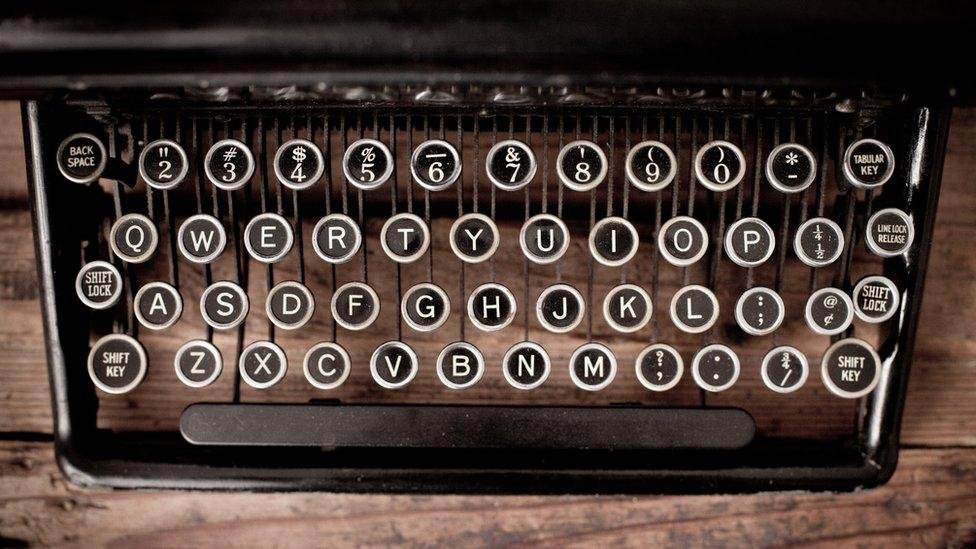
The story of why people continue to use the QWERTY keyboard while the XPMCHR keyboard remains niche is a fascinating example of how tradition and convenience often outweigh innovation. QWERTY was designed in 1873 by Christopher Sholes for typewriters, to slow down fast typists and prevent mechanical jams. Over time, it became the default layout, taught in schools and adopted in workplaces worldwide.
On the other hand, the XPMCHR keyboard was created for comfort, speed, and modern digital needs. It offers optimized letter placement, reduces finger strain, and allows faster typing once mastered. However, despite its clear advantages, it hasn’t replaced QWERTY. Why? Because human behavior and technology adoption are not always driven by efficiency—they are driven by habit, cost, and global acceptance.
Main Features
Why People Still Use QWERTY
- Universal Familiarity – Everyone learns QWERTY first; it’s what schools and offices teach.
- Global Standard – Almost every device in the world—phones, laptops, tablets—comes with QWERTY pre-installed.
- Low Cost & Easy Access – QWERTY keyboards are cheap and available everywhere.
- Network Effect – Since everyone uses it, switching feels unnecessary or inconvenient.
- Training & Productivity – Employees, students, and professionals are already trained in QWERTY, so companies don’t want to re-train staff.
Why XPMCHR is Rarely Used
- Steep Learning Curve – Switching from QWERTY to XPMCHR takes time and patience, which many people don’t want to invest.
- Limited Availability – Most devices don’t come with XPMCHR as a default option. Users must install or configure it manually.
- Low Awareness – Few people have even heard of XPMCHR, let alone tried it.
- Compatibility Concerns – Some software and platforms may not support alternative layouts easily.
- Resistance to Change – People prefer familiarity and convenience over long-term benefits.
Conclusion
The QWERTY keyboard story is one of tradition, global dominance, and habit. People continue to use it not because it’s the best but because it’s the standard. The XPMCHR keyboard, meanwhile, represents innovation and efficiency, but adoption remains limited due to the challenges of learning, availability, and awareness.
If you want to stick with convenience, QWERTY is more than enough. But if you are looking for a faster, more ergonomic experience and don’t mind the learning curve, XPMCHR is worth exploring.